
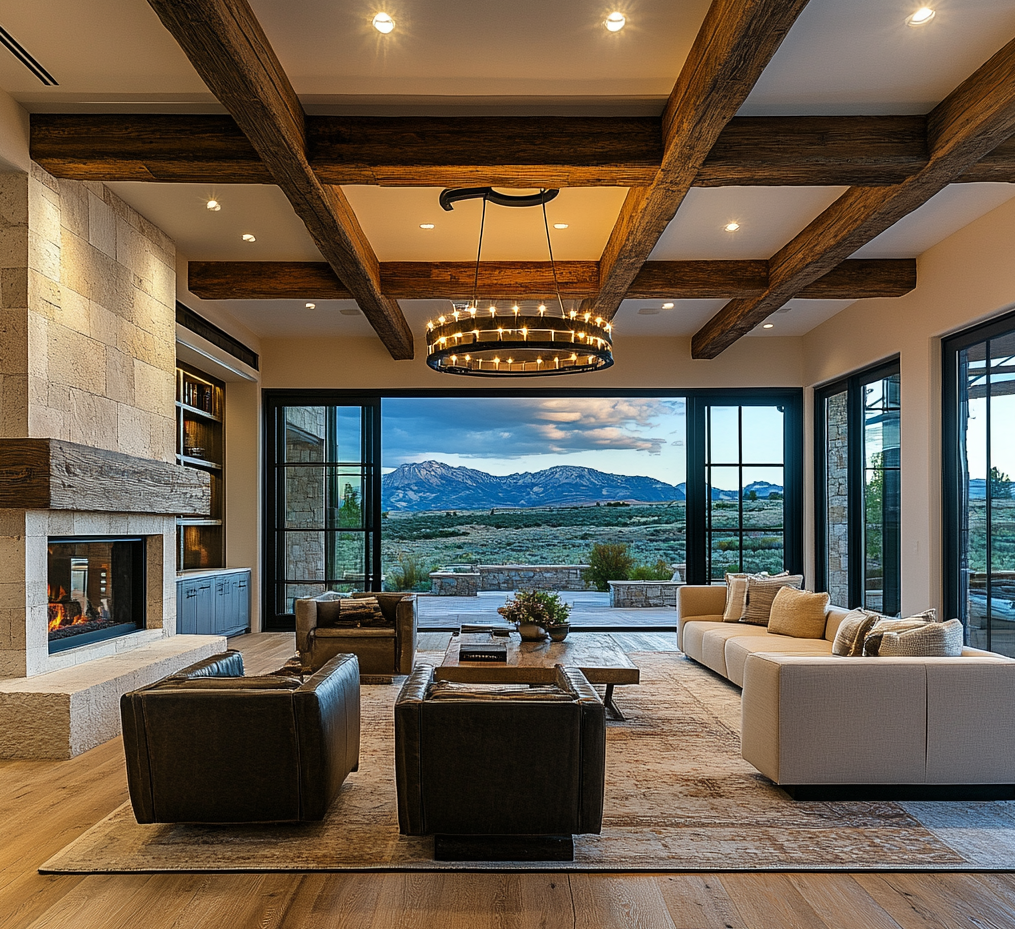
A home should reflect the people who live in it.
Not trends. Not catalogs. Not staged photographs.
Real homes are shaped by routines, values, work patterns, family life, and long-term plans. When design honors those realities, spaces feel natural. When it ignores them, even beautiful rooms feel disconnected.
Personalized interior design is not about decoration.
It is about alignment.
Designing Around Real Life
Every successful project begins with understanding how a home is actually used.
Daily schedules, entertaining habits, storage needs, privacy preferences, and future plans all influence design decisions. Without this foundation, spaces are built on assumptions instead of insight.
Good design listens first.
It observes patterns before proposing solutions.
Translating Vision Into Structure
Ideas alone do not create good interiors.
They must be translated into materials, layouts, systems, and construction details that perform over time.
This includes:
- Spatial planning
- Material selection
- Lighting design
- Acoustic considerations
- Mechanical integration
When design and construction work together, vision becomes livable reality.
When they are separated, compromise follows.
The Role of Early Collaboration
Personalized design requires coordination from the beginning.
Architects, builders, designers, and homeowners must work as one team. Early collaboration prevents costly revisions, improves efficiency, and protects design integrity throughout construction.
Integration creates clarity.
Customization That Serves Function
True customization is not about excess.
It is about precision.
Custom cabinetry, built-ins, storage systems, and furnishings are most valuable when they solve specific problems. When tailored to real habits, they reduce clutter and improve daily comfort.
Customization should simplify life, not complicate it.
Balancing Comfort and Longevity
A home must feel good now and remain functional later.
That requires careful balance between:
- Visual appeal
- Material durability
- Maintenance requirements
- Adaptability
- Energy performance
Design decisions should support aging in place, evolving family needs, and changing lifestyles.
Longevity is a form of respect for both investment and effort.
Creating Timeless Foundations
Timeless design does not mean traditional.
It means adaptable.
Neutral structural elements, high-quality finishes, and flexible layouts allow homes to evolve without major renovation. Trends can be layered in and removed without disruption.
Strong foundations protect freedom.
Attention to Detail That Supports Performance
Details are not cosmetic.
They determine how spaces function.
Door swings, drawer depths, outlet placement, lighting angles, material transitions, and acoustic control all influence daily experience. Precision in these areas separates good homes from great ones.
Quality lives in details.
Designing Homes That Feel Personal
Personal style emerges naturally when design honors life patterns.
It appears in material choices, spatial relationships, color balance, and tactile comfort. It does not need to be forced.
Homes that feel personal are not designed to impress strangers.
They are designed to support the people who live there.
Our Approach at Drapers Homes
At Drapers Homes, we integrate interior design with construction from the earliest planning stages.
We work closely with homeowners to understand how they live, what they value, and how they see their future. Then we translate that understanding into spaces built for durability, comfort, and long-term satisfaction.
Our role is not to impose a style. It’s to help each home express its own.
If you are planning a custom build or renovation, we are here to guide you through a design process that respects both vision and reality. Because the most meaningful homes are not designed for attention. They’re designed for life.