
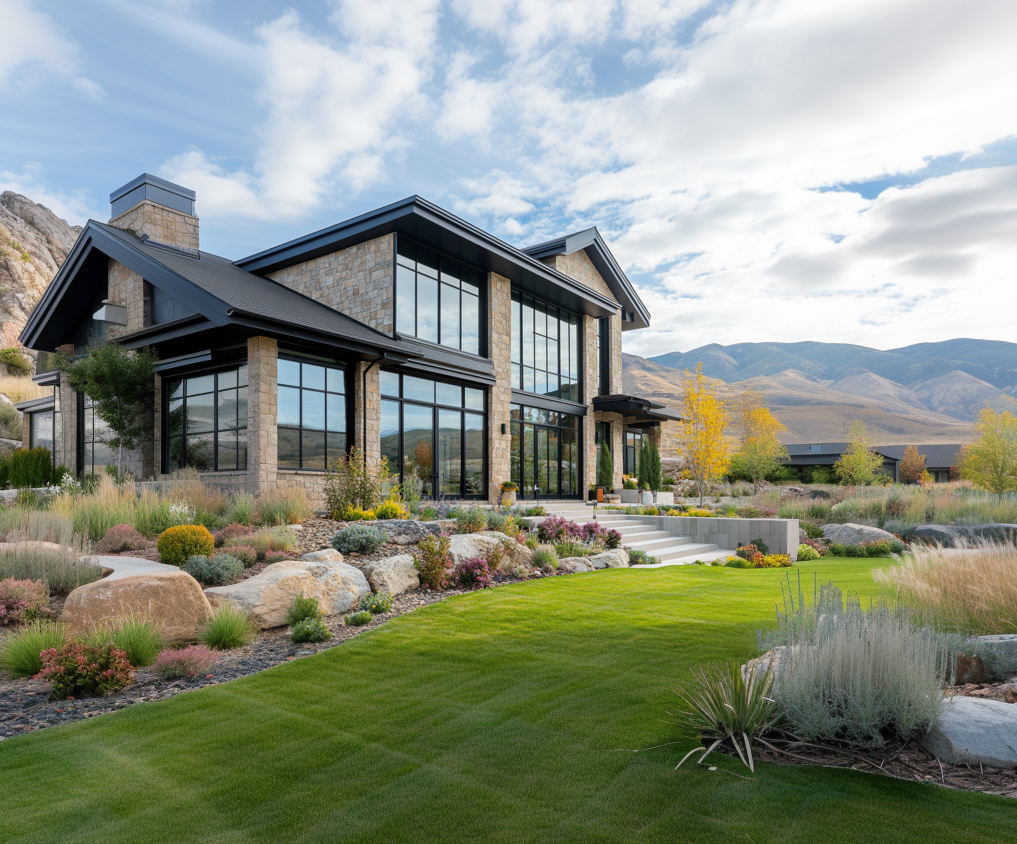
A home is not defined by square footage. It’s defined by how you feel inside it.
Whether you feel grounded or scattered. Rested or depleted. Supported or overwhelmed.
The difference is not decoration. It’s design.
Homes that allow people to thrive are engineered around comfort, clarity, and resilience—long before finishes are selected.
Thriving Begins With Environmental Alignment
Human nervous systems respond continuously to space.
Light, sound, temperature, air quality, and visual rhythm all shape emotional and physical well-being.
When these systems are aligned, people regulate naturally.
When they are not, stress accumulates quietly.
High-performance homes are health infrastructure.
Designing With Natural Light and Spatial Flow
Light and movement are foundational.
They determine how energy moves through a home.
Maximizing Daylight Access
Well-designed homes integrate:
- Strategic window placement
- Clerestory glazing
- Glass doors
- Skylights
- View corridors
Daylight supports circadian rhythm, mood regulation, and cognitive clarity.
Sunlight is medicine.
Creating Open Yet Defined Spaces
Flow matters more than openness.
Successful layouts use:
- Visual connections
- Subtle zoning
- Ceiling transitions
- Material shifts
- Lighting layers
Spaces feel expansive without becoming chaotic.
Structure supports calm.
Supporting Daily Function Through Intelligent Layouts
Thriving requires ease.
When homes create friction, stress follows.
Designing Around Real Life
High-performing homes respond to:
- Morning routines
- Work-from-home needs
- Family movement patterns
- Entertaining habits
- Quiet retreat requirements
Design anticipates behavior.
Not ideals.
Integrating Storage and Organization Systems
Clutter disrupts mental clarity.
Strong homes include:
- Purpose-built storage
- Drop zones
- Pantry systems
- Utility organization
- Hidden overflow areas
Order supports focus.
Connecting Indoor and Outdoor Living
Nature regulates the nervous system.
Homes should invite it in.
Extending Living Spaces Outdoors
Effective designs include:
- Covered patios
- Courtyards
- Balconies
- Outdoor kitchens
- Garden access
Outdoor rooms expand emotional capacity.
Framing Landscape and Views
Windows should not be random.
They should frame mountains, trees, sky, and seasonal change.
Perspective restores balance.
Designing for Comfort, Health, and Resilience
Thriving requires biological support.
Homes must regulate temperature, air, and sound.
Thermal and Acoustic Stability
High-performance homes maintain:
- Even temperatures
- Draft-free environments
- Sound insulation
- Quiet mechanical systems
- Stability reduces fatigue.
Clean Air and Moisture Management
Advanced homes include:
- Balanced ventilation
- High-efficiency filtration
- Humidity control
- Low-emission materials
Breathing well is foundational.
Creating Spaces That Support Emotional Well-Being
Homes influence identity.
They can either support growth or reinforce survival mode.
Designing Retreat Zones
Every home needs spaces for restoration.
These may include:
- Reading nooks
- Primary suites
- Meditation rooms
- Garden corners
- Quiet lofts
Rest must be protected.
Supporting Connection and Community
Thriving also requires belonging.
Well-designed homes facilitate gathering through:
- Inviting kitchens
- Flexible dining areas
- Comfortable seating zones
- Fire features
- Outdoor lounges
Connection is architecture.
Building for Adaptability Over Time
Thriving changes across life stages.
Homes must evolve.
Planning for Future Transitions
Strong designs accommodate:
- Aging-in-place needs
- Remote work shifts
- Family expansion
- Caregiving scenarios
- Downsizing transitions
Adaptability preserves dignity.
Avoiding Common “Beautiful but Stressful” Homes
Many homes look impressive but feel draining.
Common issues include:
- Poor lighting
- Inadequate storage
- No quiet zones
- Temperature swings
- Visual overload
Aesthetic without function creates burnout.
The Long-Term Value of Thriving Homes
Homes that support well-being deliver compounding returns.
Owners experience:
- Improved health
- Lower maintenance stress
- Higher resale appeal
- Stronger family cohesion
- Greater life satisfaction
Well-being is wealth.
Our Approach at Drapers Homes
At Drapers Homes, we design homes as living systems.
We integrate building science, environmental psychology, climate analysis, and lifestyle planning from the earliest stages. Our goal is to ensure every home supports energy, clarity, and resilience—not just appearance.
We do not build structures. We build environments for living well.
If you are ready to create a home that supports your life instead of competing with it, we are here to guide you.
Because thriving is not accidental. It’s designed.