
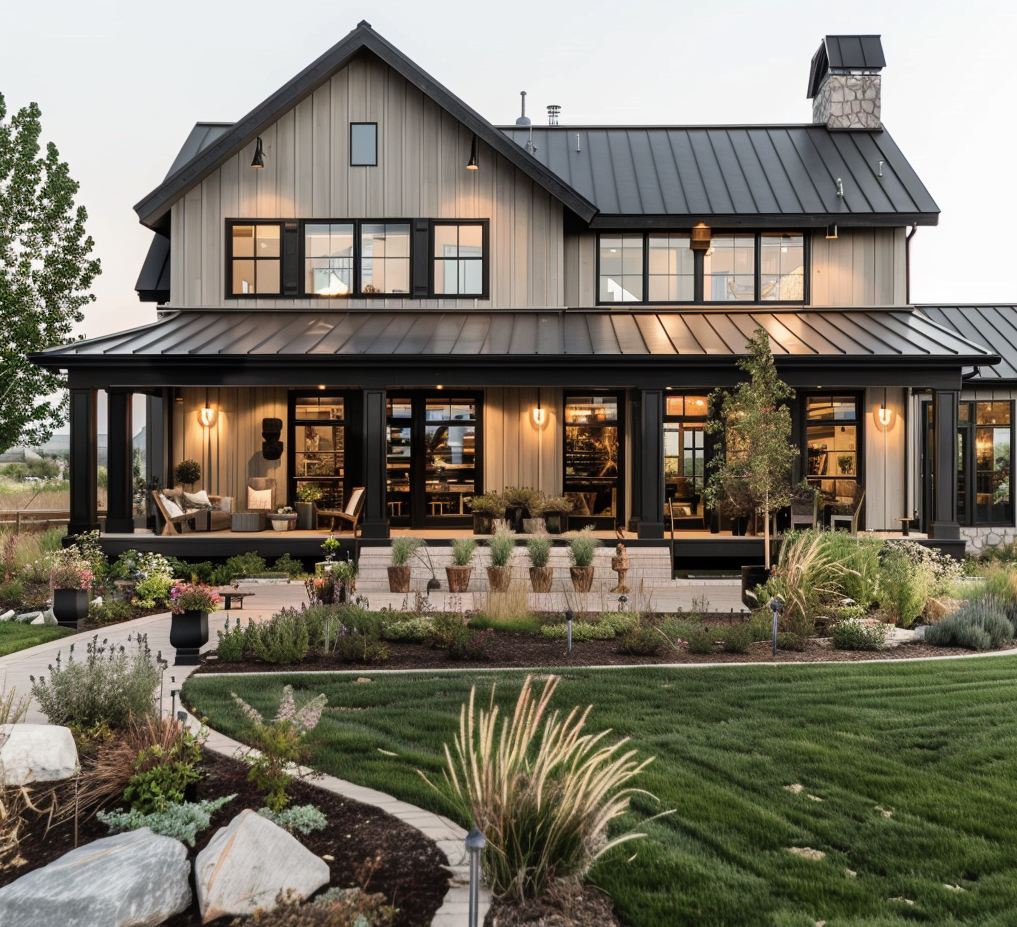
Sustainable homes are not about trends. They’re about intelligence.
They reflect an understanding that comfort, cost, health, and environmental responsibility are interconnected systems—not separate priorities.
An energy-efficient home does not simply consume less. It performs better.
Rethinking What “Sustainable” Really Means
True sustainability is not defined by a single feature.
Solar panels alone do not make a home efficient. Recycled materials alone do not make it healthy.
High-performance homes function as integrated systems.
They balance:
- Thermal control
- Air quality
- Moisture management
- Energy production
- Material durability
- Human comfort
When one system fails, the whole structure suffers.
Sustainability is holistic.
Designing the High-Performance Building Envelope
The most important energy system in any home is the building envelope.
It determines how much energy is required forever.
Insulation and Thermal Continuity
Modern sustainable homes use layered insulation strategies that eliminate thermal bridges and stabilize interior temperatures. Continuous exterior insulation, high-R wall assemblies, and insulated foundations work together to reduce energy loss.
Comfort begins in the walls.
Airtight Construction and Air Control
Uncontrolled air movement is one of the largest sources of energy waste.
High-performance homes rely on carefully sealed envelopes using advanced membranes, taped sheathing systems, and pressure-tested assemblies. This prevents heat loss, moisture intrusion, and indoor air contamination.
Air control protects health and efficiency.
High-Efficiency Heating, Cooling, and Ventilation
Mechanical systems must match the performance of the envelope.
Oversized or outdated equipment undermines sustainability.
Heat Pumps and Zoned Climate Systems
Modern homes increasingly rely on air-source and ground-source heat pumps. These systems deliver high efficiency, quiet operation, and precise zoning. They adapt to seasonal changes without excessive energy consumption.
Efficiency thrives in precision.
Balanced Fresh Air Systems
Tight buildings require controlled ventilation.
Energy Recovery Ventilators (ERVs) and Heat Recovery Ventilators (HRVs) exchange stale indoor air for fresh outdoor air while preserving heat. This maintains healthy air quality without energy penalties.
Fresh air should be engineered.
Water Efficiency and Resource Management
Water and energy systems are deeply connected.
Reducing water waste reduces energy use.
Smart Plumbing Design
High-performance homes integrate low-flow fixtures, short plumbing runs, insulated piping, and efficient water heaters. These strategies reduce heat loss and improve response time.
Less waste means more comfort.
Rainwater and Greywater Strategies
Where permitted, some homes incorporate rain capture and greywater reuse systems. These reduce demand on municipal systems and support landscape sustainability.
Conservation extends beyond walls.
Responsible Material Selection
Sustainability includes what homes are made of.
Not just how they operate.
Low-Emission and Durable Materials
High-performance homes prioritize materials with low VOC emissions, minimal off-gassing, and long service lives. These improve indoor air quality while reducing replacement cycles.
Healthy materials protect occupants.
Locally Sourced and Renewable Resources
Using regional stone, timber, and manufactured products reduces transportation emissions and supports local economies.
Local materials strengthen ecosystems.
Renewable Energy Integration
Energy-efficient homes are ideal platforms for renewable systems.
Lower consumption increases return.
Solar-Ready and Net-Zero Design
Many modern homes are designed to accommodate future solar installations even if panels are added later. Roof orientation, structural capacity, and conduit planning protect long-term flexibility.
Future readiness preserves value.
Battery and Grid-Interactive Systems
Emerging technologies allow homes to store energy and respond dynamically to grid demand. These systems increase resilience and reduce peak-load costs.
Homes are becoming energy partners.
Designing for Comfort and Health
Sustainable homes improve human experience.
Not just utility bills.
Thermal and Acoustic Comfort
High-performance envelopes reduce drafts, temperature swings, and exterior noise. This creates calmer, more restful interiors.
Comfort is environmental.
Indoor Air Quality Management
Filtration systems, moisture control, and low-emission finishes protect respiratory health and reduce allergens.
Breathing well is foundational.
Financial Benefits of Sustainable Homes
Efficiency delivers compound returns.
Over time, homeowners experience:
- Lower utility costs
- Reduced maintenance
- Higher resale values
- Improved financing terms
- Greater resilience to energy price increases
Sustainability protects wealth.
Avoiding Common Green Building Mistakes
Many “green” homes underperform due to fragmented design.
Common issues include:
- Isolated eco-features
- Poor envelope sealing
- Inadequate ventilation
- Incompatible systems
- Lack of performance testing
Integration matters more than intention.
Long-Term Adaptability and Climate Resilience
Climate conditions are changing.
Homes must adapt.
High-performance designs incorporate:
- Storm resilience
- Heat wave protection
- Moisture control systems
- Energy independence planning
Resilience is sustainability.
Our Approach at Drapers Homes
At Drapers Homes, we design sustainable homes as complete performance systems.
We integrate building science, climate modeling, energy planning, and material intelligence from the earliest design stages. Our goal is to ensure every home delivers comfort, efficiency, and durability across decades—not just inspection cycles.
We do not build “green features.” We build intelligent environments.
If you are planning a custom home in Utah and want to invest in long-term performance, we are here to help you build a home that supports both your life and the planet. Because smart choices compound.