
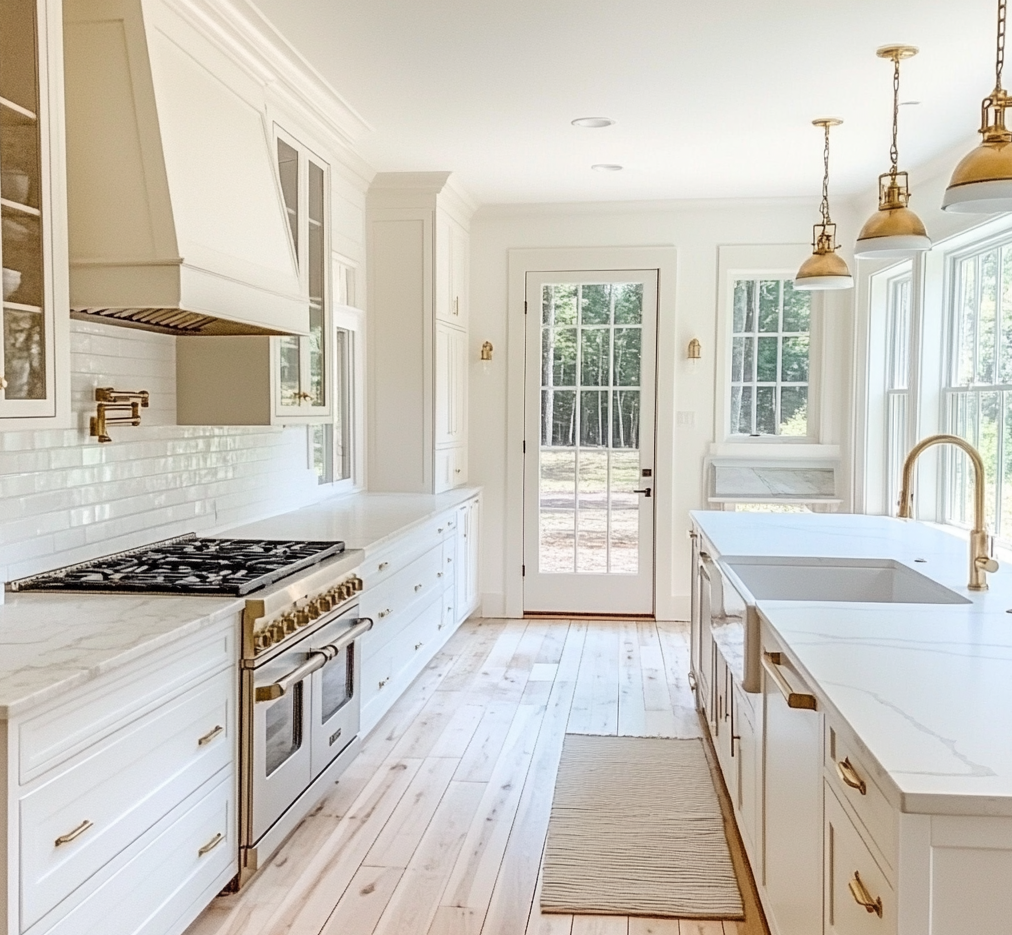
Homes have always reflected the tools of their time.
Once, that meant indoor plumbing. Central heating. Insulation. Electrical systems. Each innovation made daily life safer, healthier, and more efficient.
Today, smart home technology serves the same purpose.
When chosen carefully and installed correctly, it doesn’t complicate a home. It simplifies it. It reduces waste. Improves safety. Enhances comfort. And quietly supports how people actually live.
Here are five smart home essentials that bring lasting value—not novelty—to modern homes.
1. Smart Climate Control Systems
Heating and cooling account for a significant portion of household energy use. Smart thermostats help manage that load with precision.
These systems learn daily patterns, adjust automatically, and respond to changing weather conditions. Many integrate with zoning systems to regulate temperature room by room.
The result is consistent comfort, reduced energy consumption, and lower utility costs over time.
When paired with proper insulation and efficient HVAC design, smart climate control becomes a foundation of long-term performance.
2. Integrated Home Security Systems
Modern security is no longer limited to locks and alarms.
Integrated systems now combine cameras, motion sensors, smart locks, and remote monitoring into a single, reliable network. Homeowners can check activity, control access, and receive alerts in real time.
More importantly, these systems are designed to deter problems before they happen.
When thoughtfully installed, security technology protects not just property—but peace of mind.
3. Smart Lighting and Energy Management
Lighting affects both atmosphere and efficiency.
Smart lighting systems allow homeowners to control brightness, timing, and energy usage throughout the house. Automated schedules reduce waste. Motion sensors improve safety. Dimming features extend bulb life.
When integrated with natural light planning and energy-efficient fixtures, smart lighting supports both comfort and sustainability.
It’s not about novelty. It’s about intentional use of resources.
4. Whole-Home Automation Hubs
A well-designed smart home doesn’t rely on dozens of disconnected apps.
Centralized automation hubs coordinate lighting, climate, security, entertainment, and shading systems from one interface. This creates reliability and reduces complexity.
Proper integration ensures systems work together instead of competing with one another.
The goal is seamless operation—not constant adjustment.
5. Smart Water Management and Leak Detection
Water damage remains one of the most costly and disruptive problems homeowners face.
Smart leak detection systems monitor plumbing lines and alert homeowners to abnormal usage or moisture. Some systems automatically shut off water when leaks are detected.
Early intervention prevents structural damage, mold growth, and expensive repairs.
This technology protects one of a home’s most vulnerable systems—and does so quietly.
Designing Technology That Serves the Home
Smart features only add value when they are designed into the home’s infrastructure.
Poorly planned installations lead to cluttered controls, unreliable connections, and unnecessary complexity. Thoughtful design, on the other hand, integrates technology into the structure of the home itself.
Wiring pathways. Equipment locations. Network capacity. Ventilation. Access points.
These details matter.
They determine whether technology supports daily life—or becomes another maintenance burden.
Our Approach at Drapers Homes
At Drapers Homes, we view technology as part of responsible building.
We evaluate how systems will perform over time, how they integrate with construction, and how they serve homeowners long after installation.
Our goal is not to create “smart houses.”
It’s to build homes that function intelligently—through craftsmanship, planning, and thoughtful design.
If you’re considering smart home features in a new build or renovation, we’re here to help you choose systems that will serve you well for years to come.
Because a well-built home doesn’t rely on trends.
It relies on foresight.