
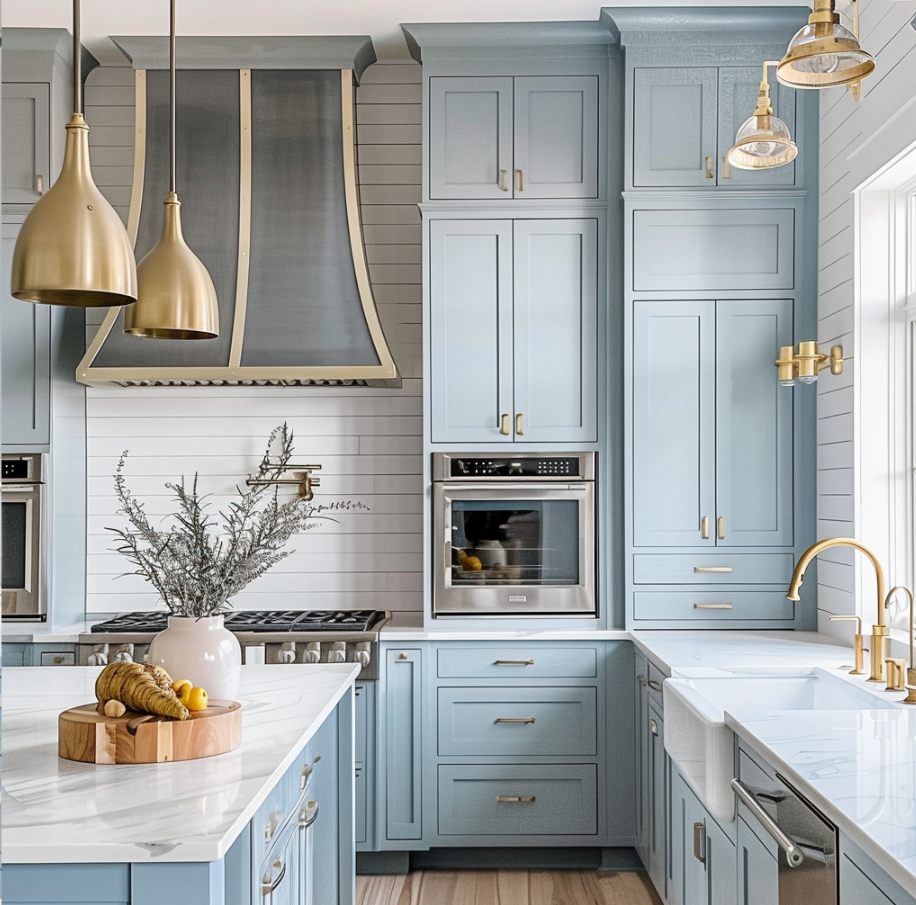
Great homes are never the result of isolated talent. They’re built through alignment.
Structure, systems, materials, light, and lifestyle must work together from the beginning.When interior design is integrated early and intelligently, homes function better, age more gracefully, and serve their owners more completely.
From a builder’s perspective, interior designers are not decorators. They’re strategic partners.
Interior Design as a Systems Discipline
Effective interior design is not about surface selection. It’s about how people live.
Designers analyze circulation patterns, storage behavior, lighting needs, acoustic comfort, and sensory balance. They anticipate friction points before they become expensive change orders.
A strong designer thinks in systems.
Not swatches.
Early Collaboration Shapes Better Homes
The most successful projects begin with alignment.
When builders and designers collaborate during concept development, decisions reinforce one another instead of competing.
Integrating Design During Planning Phases
Early design integration allows teams to:
- Coordinate structural and aesthetic elements
- Optimize ceiling heights and lighting layouts
- Align cabinetry with mechanical systems
- Plan electrical and plumbing pathways
- Prevent late-stage revisions
Front-loaded coordination saves time and cost.
Reducing Redesign and Rework
Late design involvement leads to compromises.
Common consequences include:
- Misaligned lighting plans
- Inadequate storage
- Cluttered mechanical chases
- Awkward furniture layouts
- Costly revisions
Good collaboration prevents inefficiency.
Translating Vision Into Buildable Reality
Clients bring aspirations.
Designers translate them into tangible frameworks.
Builders execute them.
Interpreting Client Lifestyle Patterns
Designers help identify how clients actually live.
They assess:
- Daily routines
- Entertaining habits
- Work-from-home needs
- Family dynamics
- Long-term plans
This insight informs spatial priorities.
Design becomes personalized infrastructure.
Material and Finish Selection With Performance in Mind
Designers evaluate finishes through both aesthetic and functional lenses.
They consider:
- Wear patterns
- Maintenance demands
- Moisture exposure
- UV resistance
- Compatibility with systems
Beautiful materials must also perform.
Coordinating Technical and Visual Systems
Modern homes contain dense infrastructure.
Interior designers help integrate these systems invisibly.
Lighting as Architecture
Lighting design shapes experience.
Professional designers coordinate:
- Ambient layers
- Task lighting
- Accent illumination
- Natural light management
- Control systems
Light defines space more than walls.
Managing Electrical and Mechanical Integration
Designers collaborate with builders and engineers to ensure:
- Outlets align with furniture
- Vents do not disrupt ceilings
- Thermostats remain discreet
- Equipment access is preserved
Coordination preserves aesthetics and serviceability.
Protecting Budget Through Strategic Design
Good design saves money.
Not by cutting quality—but by preventing waste.
Value Engineering With Integrity
Designers help prioritize investments.
They guide clients toward:
- Durable surfaces
- Timeless proportions
- Efficient storage solutions
- High-impact focal points
This preserves quality while controlling cost.
Preventing Scope Creep
Clear design documentation reduces ambiguity.
It minimizes last-minute changes and uncontrolled upgrades.
Clarity protects budgets.
Supporting Construction Efficiency
Design affects construction flow.
Clear plans improve execution.
Creating Build-Ready Documentation
Professional designers deliver:
- Detailed elevations
- Finish schedules
- Lighting plans
- Cabinet layouts
- Material specifications
These documents reduce interpretation errors.
Facilitating On-Site Coordination
Designers often serve as communication bridges between clients and builders. They help resolve questions quickly and maintain project momentum.
Alignment prevents delays.
Enhancing Long-Term Livability
Designers think beyond move-in day.
They design for decades.
Planning for Future Adaptability
Good designers anticipate:
- Aging-in-place needs
- Technology evolution
- Lifestyle shifts
- Storage growth
- Maintenance access
Flexibility protects investment.
Creating Emotional Comfort
Well-designed interiors support well-being.
They regulate:
- Visual calm
- Acoustic balance
- Spatial rhythm
- Material tactility
Homes influence nervous systems.
Design shapes experience.
Avoiding Common Builder–Designer Disconnects
Misalignment causes friction.
Common problems include:
- Late-stage involvement
- Unclear authority
- Incomplete documentation
- Budget disconnects
- Poor communication channels
Successful teams establish structure early.
Our Approach at Drapers Homes
At Drapers Homes, we treat interior designers as core members of the construction team.
We collaborate from concept through completion, integrating design, engineering, and construction into a unified process. This ensures homes perform beautifully, efficiently, and reliably.
We do not separate form from function. We align them.
If you are planning a custom home in Utah, we encourage engaging both builder and interior designer early. The result is a smoother process, stronger outcomes, and a home that truly supports how you live.
Because great homes are built in conversation. Not isolation.