
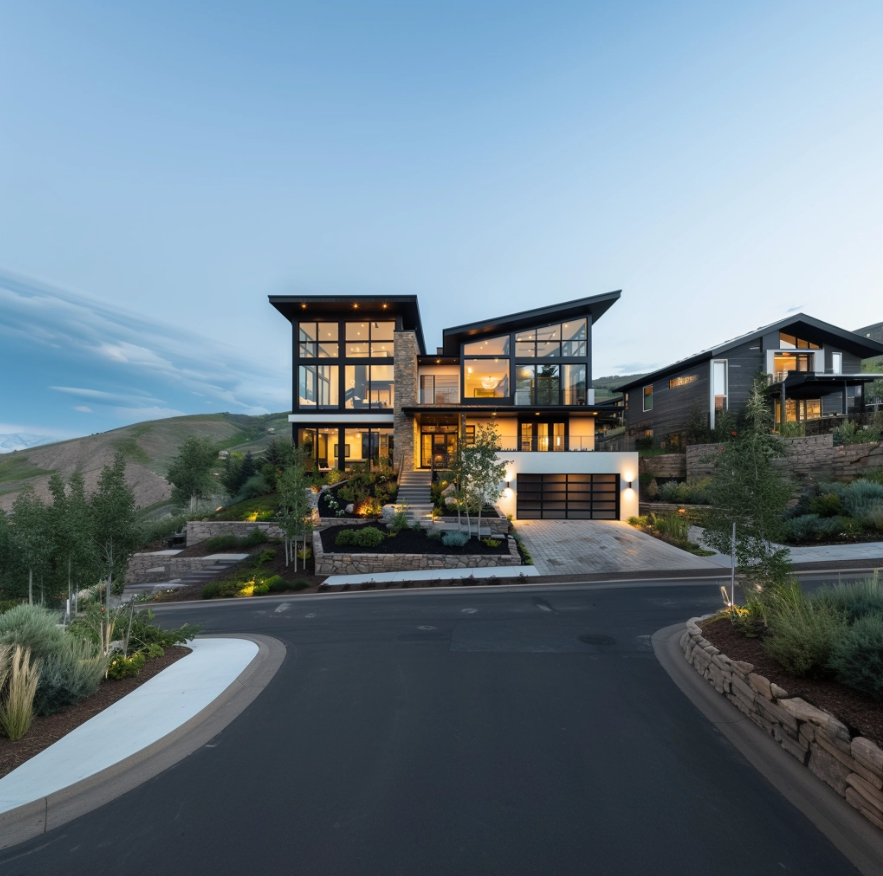
Curious about the builder’s timeline and when your home will be done?
A custom home is not built in steps. It’s built in sequences.
Each phase prepares the conditions for the next. When timing is respected, homes rise efficiently. When it is rushed, problems become permanent.
From a builder’s perspective, the timeline is not a schedule. It’s a quality-control system.
Phase One: Vision Alignment and Pre-Construction Planning
Every successful home begins with clarity.
Before permits are pulled or materials ordered, the project must be aligned around purpose, budget, and expectations.
This phase includes site analysis, architectural design, interior planning, engineering coordination, and cost modeling. It is where risks are identified, logistics are solved, and realistic timelines are established.
Strong planning prevents expensive revisions.
Phase Two: Permitting, Approvals, and Site Preparation
Before construction begins, regulatory requirements must be satisfied.
This phase involves zoning verification, building permits, environmental reviews, utility coordination, and inspections. Simultaneously, the site is prepared through grading, drainage installation, access planning, and foundation layout.
Rushing this phase creates legal and structural vulnerabilities.
Preparation protects progress.
Phase Three: Foundation and Structural Systems
The foundation establishes the physical integrity of the home.
Excavation, footings, foundation walls, waterproofing, and slab installation are completed with precision. Once cured and inspected, structural framing begins.
Framing defines room proportions, ceiling heights, and circulation patterns. It translates drawings into physical reality.
Everything depends on this stage.
Phase Four: Building Envelope and Exterior Protection
Once the structure stands, it must be sealed.
Roofing, windows, doors, exterior sheathing, weather barriers, and siding are installed. These systems create the protective shell that regulates temperature, moisture, and airflow.
A well-built envelope reduces future operating costs.
Performance begins outside.
Phase Five: Mechanical, Electrical, and Plumbing Integration
With the shell complete, internal systems are installed.
HVAC ducting, plumbing lines, electrical wiring, low-voltage systems, and ventilation equipment are carefully coordinated. This phase requires precision, documentation, and inspection.
Mistakes here are difficult to correct later.
Coordination is essential.
Phase Six: Insulation, Drywall, and Interior Structure
After rough systems are approved, insulation is installed to stabilize thermal performance. Drywall follows, shaping walls and ceilings and preparing surfaces for finishes.
At this stage, spaces become tangible.
The home begins to feel real.
Phase Seven: Interior Finishes and Craftsmanship
This phase brings character to the structure.
Cabinetry, flooring, tile, countertops, millwork, doors, trim, and paint are installed. Lighting fixtures, plumbing fixtures, appliances, and hardware follow.
Precision matters here.
Details determine perception.
Phase Eight: Exterior Completion and Landscape Integration
While interiors are refined, exterior elements are finalized.
Driveways, walkways, patios, fencing, grading, drainage, and landscaping are completed. Outdoor spaces are integrated with interior circulation and sightlines.
Homes should feel connected to their sites.
Not imposed.
Phase Nine: Systems Testing and Quality Verification
Before occupancy, all systems are tested.
HVAC balancing, pressure testing, electrical verification, plumbing inspections, and safety reviews ensure performance standards are met.
This phase confirms that design intent translates into real-world function.
Verification protects homeowners.
Phase Ten: Final Walkthrough and Transition to Ownership
The final stage is collaborative.
Builders guide homeowners through operations, maintenance requirements, warranties, and system documentation. Remaining adjustments are completed, and formal occupancy is granted.
Handover is education.
Not just delivery.
Typical Custom Home Timeline Overview
While every project is unique, most custom homes follow a general range:
- Pre-construction: 3–6 months
- Permitting and site work: 2–4 months
- Structural framing: 2–3 months
- Systems installation: 2–3 months
- Interior finishes: 3–5 months
- Final completion: 1–2 months
Total timeline: Approximately 12–24 months
Complexity, weather, material availability, and regulatory factors influence duration.
Realistic expectations reduce stress.
Factors That Influence Construction Timelines
Several variables affect schedules:
- Site conditions
- Weather patterns
- Design complexity
- Material lead times
- Client decision timelines
- Inspection availability
Good builders plan for contingencies.
Not perfection.
Avoiding Common Timeline Disruptions
Delays often stem from preventable issues.
Common causes include:
- Late design changes
- Incomplete selections
- Permit revisions
- Supply chain disruptions
- Uncoordinated subcontractors
Early decisions protect momentum.
Our Approach at Drapers Homes
At Drapers Homes, we manage timelines as performance frameworks.
We integrate design, permitting, engineering, procurement, and construction sequencing into unified schedules. Our process emphasizes transparency, proactive communication, and disciplined execution.
We do not chase speed. We protect quality.
If you’re planning a custom home in Utah, we are here to guide you through every phase with clarity and confidence. Because great homes are built on patience and precision.