
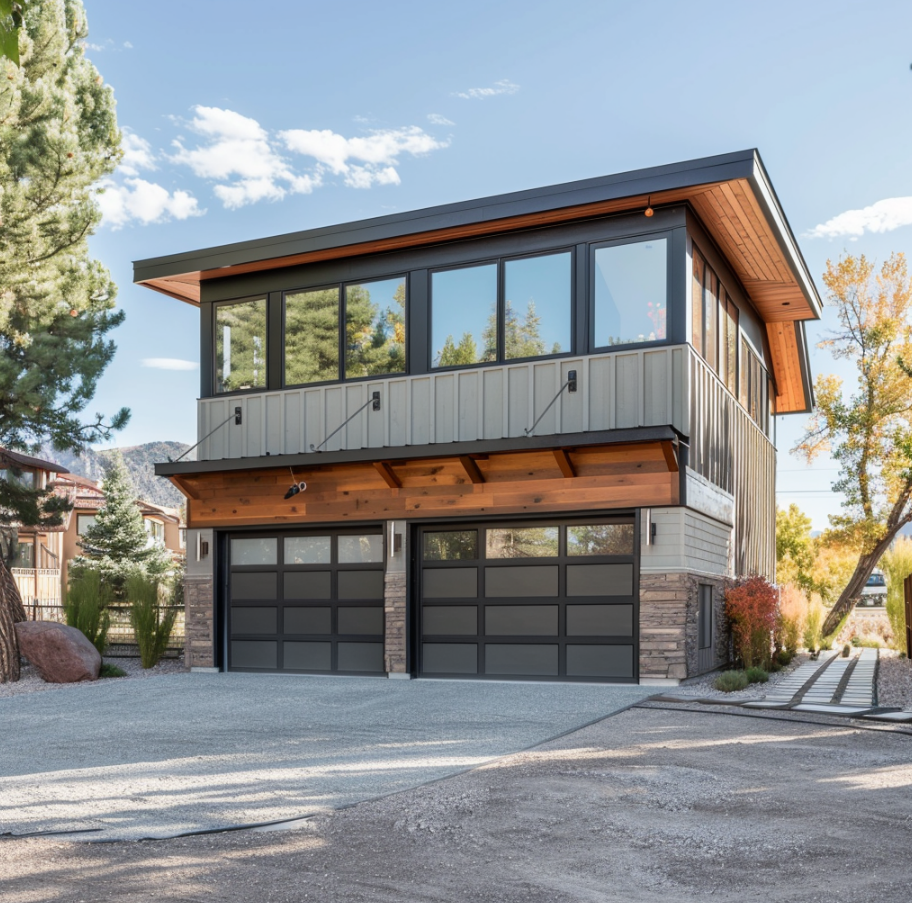
Understanding ADUs as Strategic Property Assets
Modern homeowners are no longer viewing their homes as static shelters. Today, residential property functions as a flexible platform—one that must adapt to changing family structures, financial goals, and work patterns. An ADU supports this evolution by adding an independent living environment within the same property footprint. Whether used for rental income, multi-generational housing, remote work, or long-term caregiving, a well-designed ADU allows one home to serve multiple futures. It transforms unused space into long-term opportunity.
How ADUs Increase Property Value
ADUs influence property value in both visible and invisible ways. Beyond generating rental income, they improve a home’s overall market positioning. A professionally built ADU increases functional square footage, expands buyer appeal, and strengthens long-term equity. Properties with ADUs consistently attract investors, flexible-living buyers, and multi-generational families, creating stronger demand and improved resale leverage. Value grows not only through cash flow, but through versatility.
Designing ADUs for Maximum Financial Performance
Not all ADUs deliver the same return. Financial performance is directly tied to design quality. High-performing ADUs function as independent residences, with private access, sound insulation, dedicated climate systems, and efficient layouts. When residents feel they have autonomy, rental desirability increases. At the same time, thoughtful spatial planning—open circulation, built-in storage, and strong daylight access—ensures every square foot contributes to livability. Efficiency is what converts square footage into profit.
Navigating Zoning and Regulatory Requirements
Every ADU project is shaped by local regulation. Setbacks, size limits, parking rules, and utility requirements vary widely across Utah municipalities. Understanding these constraints early protects both timeline and budget. Well-prepared projects integrate zoning compliance, structural documentation, and utility coordination from the start. Permits are not obstacles when managed properly—they are safeguards that protect resale value and long-term legality.
Financing ADU Construction
How an ADU is financed has lasting impact on its return. Homeowners often rely on home equity loans, cash-out refinancing, construction loans, or renovation mortgages. Each structure carries different risk and cost profiles. Before building, owners should analyze projected rental income, operating expenses, tax considerations, and maintenance reserves. A strong return is planned long before construction begins. Profitability starts with strategy.
Designing ADUs for Lifestyle Integration
Financial return is only part of the equation. ADUs also reshape how families live. They provide dignified housing for aging parents, adult children, caregivers, or returning graduates—offering proximity without sacrificing independence. They also create space for home-based businesses, consulting practices, and creative studios when zoning allows. These uses expand personal freedom and reduce future relocation pressure. Space creates optionality.
Sustainability and Operating Efficiency
Efficient ADUs outperform inefficient ones over time. Lower energy and water consumption translates directly into stronger net income and reduced maintenance risk. High-performing units incorporate advanced insulation, efficient heat pumps, low-flow plumbing, solar-ready infrastructure, and smart controls. These systems quietly protect margins while improving comfort. Sustainability is not branding—it is operational intelligence.
Long-Term Appreciation and Portfolio Value
Well-designed ADUs strengthen the entire property ecosystem. They contribute to higher appraisals, improved refinancing terms, and stronger equity positions. They reduce vacancy risk and increase market resilience during economic shifts. Over time, they function as micro-investments embedded within the primary residence. Instead of a single asset, the homeowner manages a small, diversified housing portfolio.