
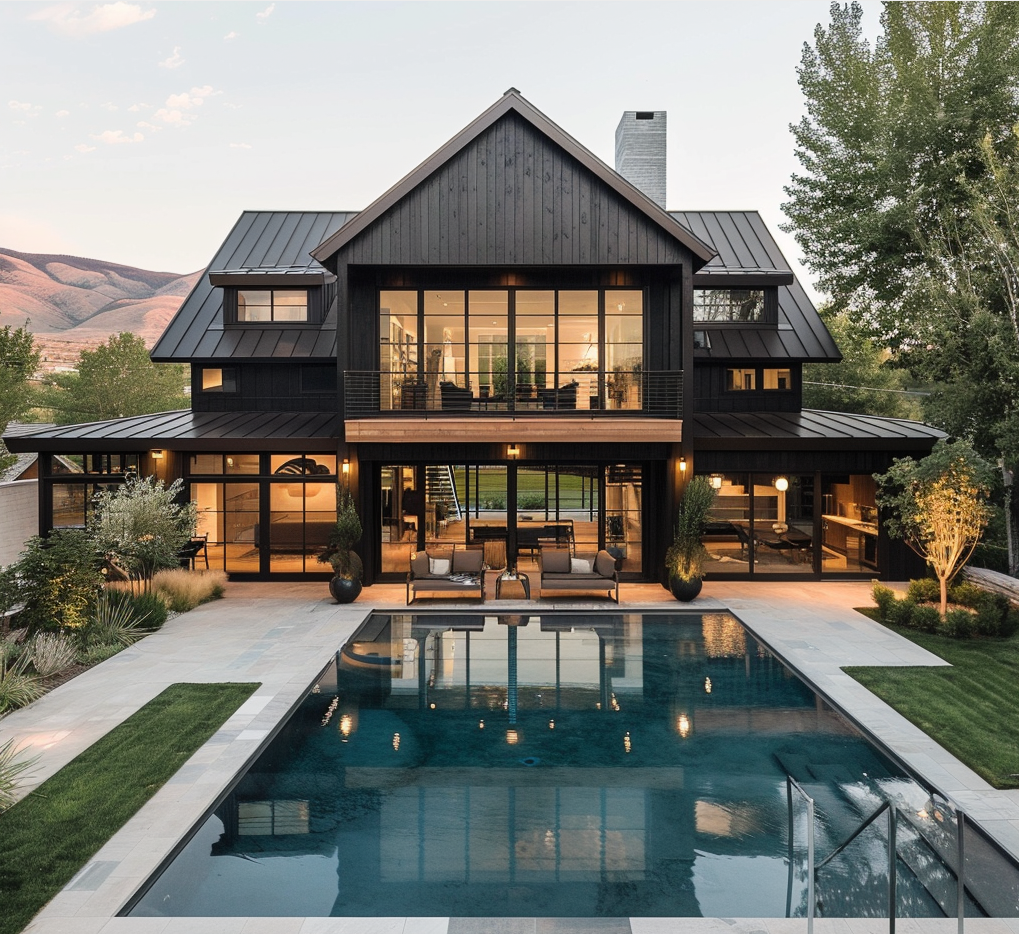
Barndominiums succeed when contrast is handled with discipline.
Too much rustic, and the space feels unfinished. Too much contemporary, and it feels disconnected from its roots.
The most compelling Barndominiums live in the space between. They honor agricultural heritage while embracing modern performance, comfort, and clarity. They feel grounded and refined at the same time.
This balance is not accidental. It’s designed.
Understanding the Dual Identity of Barndominiums
At their core, Barndominiums merge two traditions.
One comes from working structures like barns, sheds, and agricultural buildings built for durability and function. The other comes from modern residential design focused on comfort, efficiency, and aesthetics.
Successful Barndominiums do not choose one over the other.
They integrate both.
Establishing a Strong Architectural Foundation
Every balanced design begins with structure.
The building’s form sets the tone long before finishes are applied.
Embracing Simple, Honest Forms
Most high-performing Barndominiums rely on:
- Clean rooflines
- Open-span framing
- Rectangular footprints
- Minimal exterior ornamentation
- Clear structural expression
These forms reflect agricultural roots while providing flexibility for modern interiors.
Simplicity creates freedom.
Using Proportion and Scale Intentionally
Large volumes must be managed carefully.
High ceilings, open bays, and expansive walls require visual anchoring through beams, lighting, and material transitions.
Without proportion, openness becomes emptiness.
Balance creates comfort.
Blending Natural Materials With Modern Finishes
Material selection is where rustic and contemporary truly meet.
Highlighting Wood, Steel, and Stone
Core rustic materials include:
- Exposed timber beams
- Reclaimed or textured wood
- Blackened or brushed steel
- Natural stone surfaces
These elements introduce warmth, texture, and authenticity.
They tell a story of durability.
Layering in Refined Surfaces
Modern finishes provide contrast and clarity.
Common choices include:
- Quartz or porcelain countertops
- Smooth plaster or drywall
- Matte cabinetry
- Minimalist hardware
- Large-format tile
These surfaces prevent rustic elements from feeling heavy or outdated.
Refinement creates balance.
Designing Interiors That Feel Open and Grounded
Barndominium interiors often feature expansive open plans.
Without structure, these spaces lose intimacy.
Creating Defined Zones Within Open Layouts
Rather than walls, designers use:
- Ceiling changes
- Beam placement
- Lighting layers
- Floor material shifts
- Furniture groupings
These elements create natural boundaries without closing space.
Flow remains uninterrupted.
Managing Vertical Space Thoughtfully
Tall ceilings are a defining feature.
They should be supported with:
- Suspended lighting
- Upper-level lofts
- Clerestory windows
- Acoustic treatments
- Visual breaks
Vertical space should feel intentional.
Not overwhelming.
Integrating Modern Comfort and Performance Systems
Contemporary living requires invisible infrastructure.
Barndominiums must perform as well as they look.
Prioritizing Thermal and Energy Efficiency
High-performance designs include:
- Advanced insulation systems
- Tight building envelopes
- Radiant-ready flooring
- Efficient HVAC systems
- High-performance windows
Without these systems, rustic charm becomes seasonal discomfort.
Performance protects comfort.
Incorporating Smart and Adaptive Technologies
Modern Barndominiums often include:
- Integrated lighting controls
- Zoned climate systems
- Network infrastructure
- Security systems
- Energy monitoring tools
Technology is embedded quietly.
Not showcased.
Using Color to Balance Warmth and Precision
Color choices reinforce material harmony.
Balanced palettes often include:
- Warm wood tones
- Soft whites
- Charcoal accents
- Earth-inspired neutrals
- Muted grays
These colors bridge rustic textures and modern surfaces.
They unify the environment.
Designing Exterior Spaces That Extend the Architecture
Outdoor areas are essential extensions of Barndominium living.
They reinforce the connection between structure and landscape.
Coordinating Porches, Patios, and Overhangs
Effective designs include:
- Covered porches
- Deep roof overhangs
- Outdoor kitchens
- Fire features
- Wind-protected seating
These spaces support year-round use.
Shelter creates usability.
Selecting Landscape Elements That Complement Structure
Landscaping should echo architectural character.
Native plantings, stone features, gravel paths, and structured greenery reinforce the balance between natural and refined.
The home feels rooted.
Not imposed.
Avoiding Common Design Pitfalls
Many Barndominiums lose balance through predictable mistakes.
Common issues include:
- Overuse of reclaimed materials
- Excessive barn décor
- Industrial elements without warmth
- Oversized open spaces
- Neglecting acoustics
Authenticity matters more than imitation.
Restraint preserves integrity.
Designing for Longevity and Adaptability
The best Barndominiums are built for change.
They accommodate:
- Home offices
- Guest suites
- Workshop conversions
- Multi-generational living
- Aging-in-place needs
Flexible layouts protect long-term value.
Design should evolve with life.
Our Approach at Drapers Homes
At Drapers Homes, we design Barndominiums as integrated systems—where structure, materials, performance, and lifestyle align.
We evaluate site conditions, climate demands, daily routines, and long-term goals before shaping each design. Our process ensures rustic elements and contemporary systems support one another rather than compete.
We do not blend styles casually. We engineer harmony.
If you are planning a custom Barndominium in Utah, we are here to help you create a home that feels grounded, refined, and enduring.
Because the strongest designs are not trends. They’re balances that last.