
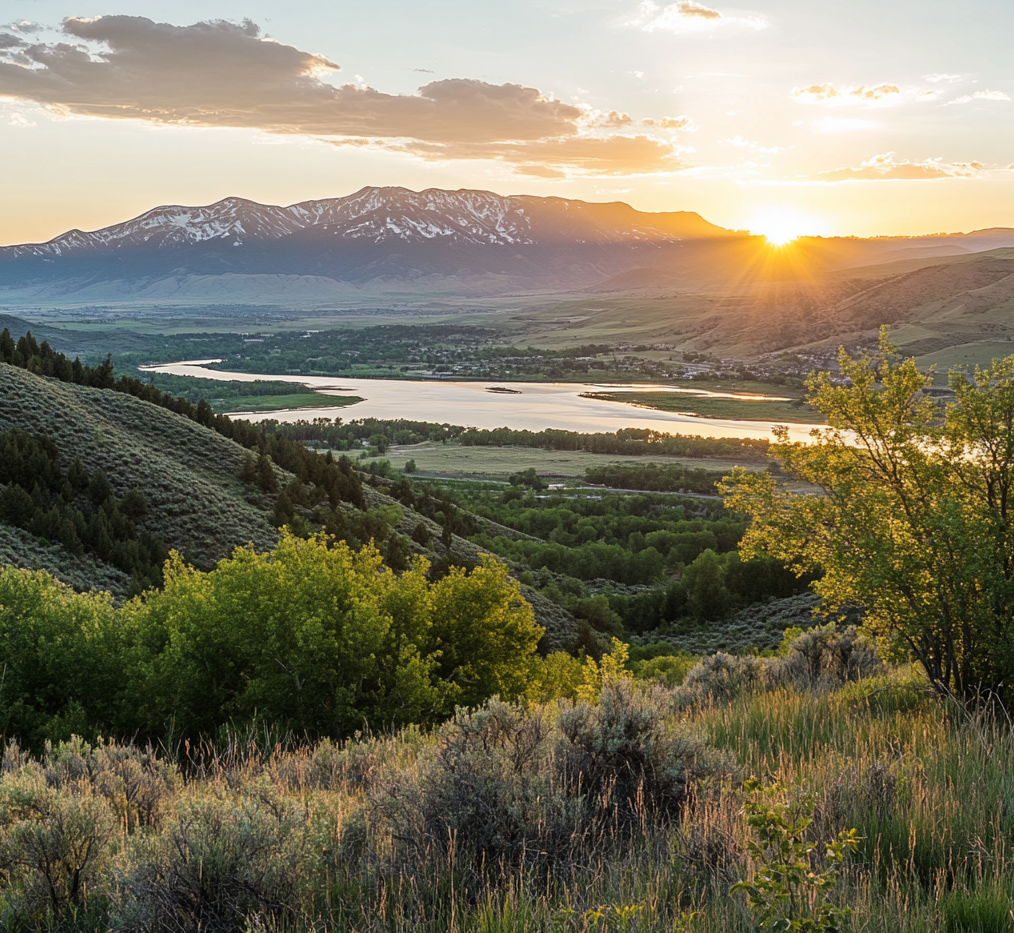
Every great home begins with the right piece of land.
Before floor plans, finishes, or materials are discussed, there is terrain, orientation, access, and infrastructure. These elements shape construction costs, energy performance, daily comfort, and long-term value.
In Utah’s diverse landscape, choosing the right parcel is not about aesthetics alone.
It is about alignment.
Understanding Location and Regional Context
Land selection should begin with environmental awareness.
Utah’s geography varies dramatically—from alpine valleys to high desert plateaus. Each region carries different implications for construction, utilities, and maintenance.
Successful site selection considers:
- Sun exposure
- Wind patterns
- Snow accumulation
- Drainage conditions
- Soil stability
- Elevation
Proximity to schools, healthcare, employment, and community services should also be evaluated alongside lifestyle priorities.
Good locations support both daily life and future adaptability.
Navigating Zoning and Regulatory Requirements
Every parcel is governed by local regulations.
Zoning classifications, setback requirements, height limits, environmental protections, and building codes determine what can be built and how.
Before committing to land, buyers should verify:
- Permitted uses
- Building envelopes
- Utility requirements
- Road access
- Easements
- HOA restrictions
Early regulatory research prevents costly redesigns later.
Locating Available Land Opportunities
Finding quality land requires both digital tools and local insight.
The strongest results come from combining multiple research methods.
Using Public and Digital Resources
Online mapping and record systems provide valuable baseline information.
Resources may include:
- Utah parcel mapping platforms
- County recorder databases such as Utah County Recorder
- Regional property data systems
- Tax assessment records
These tools reveal ownership history, boundaries, and legal descriptions.
They do not replace on-site evaluation.
They support it.
Working With Specialized Real Estate Professionals
Local agents who focus on land transactions understand:
- Access challenges
- Utility limitations
- Water rights
- Soil conditions
- Seasonal issues
- Development patterns
This knowledge is difficult to obtain remotely.
Professional guidance reduces risk.
Building Local Networks
Some of the best parcels never reach public listings.
Community relationships, local builders, and regional contacts often uncover opportunities early. Attending events, speaking with landowners, and maintaining visibility can open unexpected doors.
Presence matters.
Navigating the Land Purchase Process
Buying land is fundamentally different from buying an existing home.
It requires additional verification and financial planning.
Securing Financial Pre-Approval
Many traditional mortgages do not apply to vacant land.
Buyers often pursue specialized lot or land loans through institutions such as:
• UFirst Credit Union
• Utah Community Credit Union
Early financing clarity strengthens negotiation position and protects timelines.
Evaluating and Negotiating Parcels
Once a viable parcel is identified, careful analysis follows.
Price should reflect:
- Development costs
- Utility extensions
- Grading requirements
- Access improvements
- Permit complexity
Raw land often requires significant investment before construction begins.
Negotiation should account for these realities.
Conducting Thorough Due Diligence
Due diligence is where most costly mistakes are prevented.
It is not optional.
Verifying Boundaries and Topography
Professional surveys confirm legal boundaries and reveal terrain challenges. Slope, drainage, and elevation changes affect foundation design and site preparation costs.
Topography influences everything.
Confirming Title and Legal Status
A formal title search ensures:
- Clear ownership
- No unresolved liens
- No undisclosed easements
- No legal encumbrances
This protects buyers from inherited disputes.
Assessing Utilities and Access
Before purchase, buyers must confirm:
- Water availability
- Sewer or septic feasibility
- Electrical access
- Gas service
- Internet connectivity
- Legal road access
Assumptions in this area are expensive.
Verification is essential.
Formalizing Agreements and Closing
Once conditions are satisfied, legal counsel should assist with:
- Purchase agreements
- Contingency clauses
- Closing documentation
- Transfer procedures
Professional review ensures compliance and protection.
Designing With the Land in Mind
The best homes emerge from their sites.
Not imposed upon them.
Orientation, views, slope, vegetation, and seasonal conditions should inform layout, window placement, roof design, and outdoor spaces.
When homes respond to land, they feel grounded.
When they ignore it, they feel forced.
Our Approach at Drapers Homes
At Drapers Homes, we help clients evaluate land through both design and construction lenses.
We analyze site conditions, regulatory constraints, infrastructure requirements, and long-term performance before developing concepts. Our goal is to ensure that every home begins on a foundation of clarity.
We do not treat land selection as a real estate transaction.
We treat it as the first design decision.
If you are searching for land in Utah for a custom home, we are here to help you assess opportunities with experience and precision.
Because the right home begins with the right ground beneath it.