
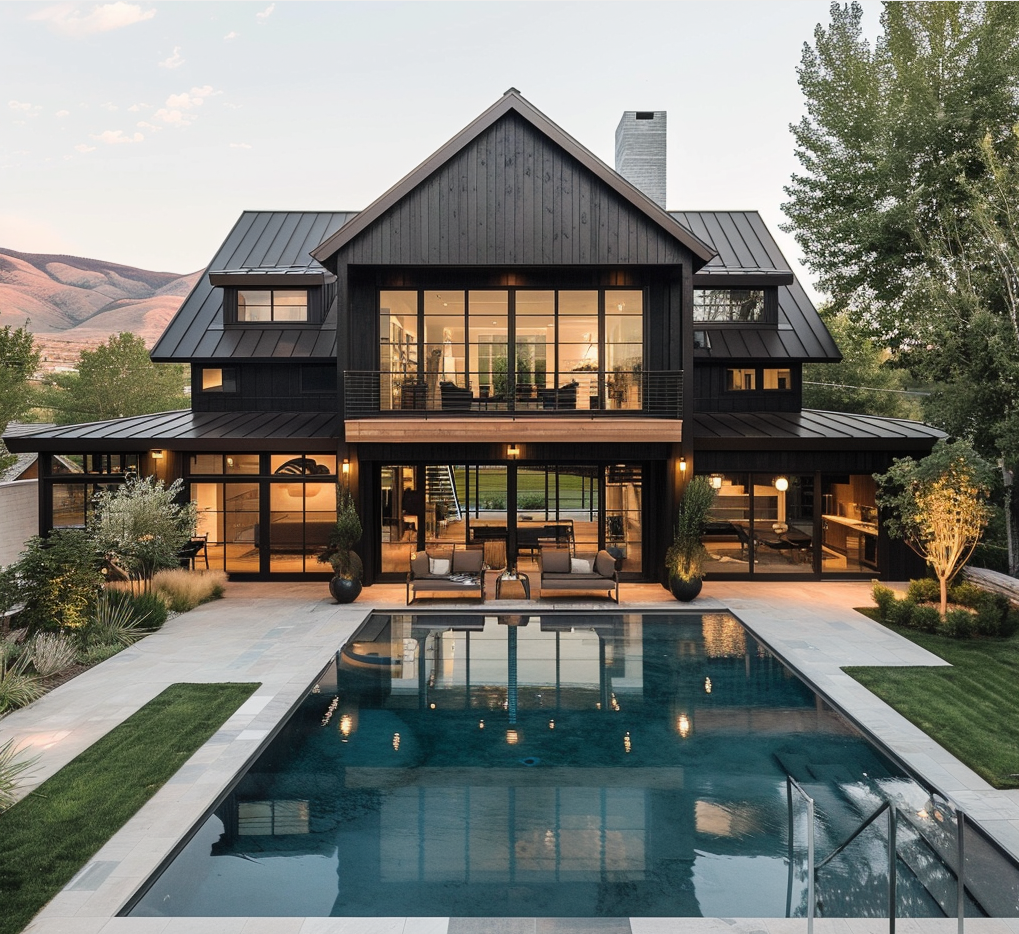
Building a custom home is not a transaction.
It is a multi-year relationship that shapes your finances, daily comfort, and long-term stability. The builder you choose will influence every structural, technical, and experiential aspect of your home.
In Utah’s demanding climate and diverse terrain, this decision carries even greater weight.
Choosing well creates confidence.
Choosing poorly creates years of compromise.
Clarifying Your Priorities Before You Begin
Strong decisions start with self-awareness.
Before researching builders, it is essential to understand what you are actually trying to build.
Defining Lifestyle and Design Goals
Every home reflects a way of living.
Consider how you want your home to support:
- Daily routines
- Work-from-home needs
- Family growth
- Entertaining habits
- Privacy preferences
- Outdoor activity storage
Architectural style matters, but function matters more. A beautiful home that fights your routines will never feel settled.
Establishing Realistic Financial Parameters
Budget clarity protects creative freedom.
Define not only your target budget, but also:
- Contingency reserves
- Site development costs
- Utility extensions
- Permit and impact fees
- Long-term operating costs
Builders who understand your financial framework can design responsibly within it.
Researching Qualified Builders in Utah
Reputation is built over time.
The goal is not to find the most visible builder, but the most consistent one.
Gathering Reliable Recommendations
Personal referrals remain one of the strongest indicators of quality.
Speak with homeowners who have completed projects within the last three to five years. Ask about communication, problem-solving, warranty support, and post-construction service.
Patterns matter more than isolated praise.
Using Professional and Industry Resources
Supplement personal referrals with formal research.
Look for:
- Licensed contractor databases
- Local building associations
- Regional construction organizations
- Verified review platforms
These sources help confirm compliance and professional standing.
Evaluating Builders Through Initial Screening
Once you have a short list, deeper evaluation begins.
This stage separates marketing from capability.
Verifying Credentials and Compliance
Confirm that each builder maintains:
- Active licensing
- Appropriate insurance
- Bonding where required
- Local permitting history
These are non-negotiable foundations.
Reviewing Project Portfolios
Portfolios reveal more than aesthetics.
Study:
- Consistency of quality
- Complexity of projects
- Material execution
- System integration
- Attention to detail
Strong builders demonstrate reliability across many projects, not just one showcase home.
Speaking With Past Clients
Client conversations offer unfiltered insight.
Ask about:
- Schedule accuracy
- Budget transparency
- Change management
- Conflict resolution
- Post-completion support
How a builder handles difficulty matters more than how they handle success.
Understanding the Design-Build Advantage
Many of Utah’s strongest custom homes are created through integrated design-build processes.
This approach aligns architecture, engineering, and construction from the beginning.
Benefits include:
- Reduced redesign cycles
- Improved cost control
- Faster timelines
- Fewer conflicts
- Stronger accountability
When design and construction are separated, homeowners often manage the gaps.
Integration closes them.
Recognizing Established Regional Expertise
Local knowledge is a competitive advantage.
Utah presents unique challenges:
- Snow loads
- Elevation effects
- High UV exposure
- Temperature swings
- Dry climate conditions
- Variable soil profiles
Builders who understand these realities design and construct accordingly.
Experience here matters.
A Notable Example in Utah
Drapers Complete Home Builders is an example of a design-build firm that integrates construction expertise, systems planning, and craftsmanship into a unified process.
With decades of regional experience, their work emphasizes structural performance, material durability, and long-term livability—qualities essential for custom homes in Utah’s environment.
Assessing Communication and Working Style
Skill alone is not enough.
Compatibility matters.
During early conversations, observe:
- Responsiveness
- Clarity of explanations
- Willingness to educate
- Respect for questions
- Transparency around risks
Your builder should function as a strategic partner, not a gatekeeper.
Understanding Contracts and Project Structure
Before committing, review documentation carefully.
Professional builders provide clear agreements outlining:
- Scope of work
- Payment schedules
- Change procedures
- Warranty coverage
- Dispute resolution
- Completion standards
Ambiguity at this stage leads to conflict later.
Clarity is protective.
Planning for Long-Term Performance
Your home will outlast design trends.
Strong builders think beyond completion.
They consider:
- Energy efficiency
- Maintenance cycles
- Material aging
- System accessibility
- Future upgrades
These factors determine whether a home remains enjoyable or becomes burdensome.
Our Approach at Drapers Homes
At Drapers Homes, we view custom home building as a long-term collaboration.
We integrate site analysis, lifestyle planning, engineering, and craftsmanship from the earliest stages. Our process prioritizes clarity, accountability, and durability—so homeowners remain confident throughout construction and long after move-in.
We do not build for short-term impressions. We build for decades of living.
If you are beginning your search for a custom home builder in Utah, we invite you to approach the process with intention, patience, and informed standards.
Because the right builder does more than construct a house. They help you build a future.