
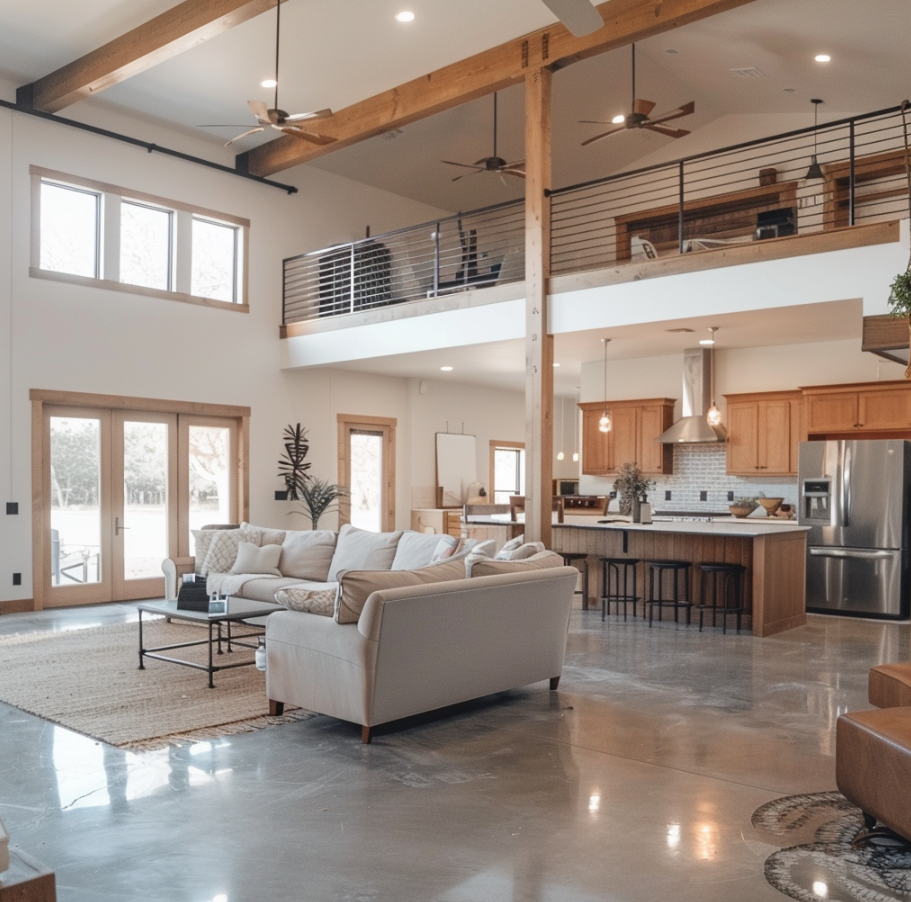
Comfort is not created by decoration.
It is created by systems.
Some of the most meaningful upgrades in a home are the ones you rarely see—but feel every day. Radiant floor heating belongs in this category. It changes how spaces are experienced, especially in Utah’s cold winters and high-elevation climates.
Heated floors do not announce themselves.
They simply make life easier.
Understanding Radiant Floor Heating Systems
Radiant floor heating works by delivering warmth from beneath the surface of the floor, allowing heat to rise evenly throughout the room.
Instead of warming air and circulating it through vents, radiant systems warm people, objects, and surfaces directly. This creates a more stable and comfortable environment.
There are two primary system types:
Electric radiant systems
Hydronic (water-based) radiant systems
Each serves different building conditions and budgets.
Electric Radiant Heating Systems
Electric systems use heating cables or mats installed beneath flooring materials.
They are often used in:
- Bathrooms
- Entryways
- Kitchens
- Laundry rooms
- Small living spaces
These systems heat quickly and are ideal for targeted comfort zones. Installation is relatively straightforward in renovation projects.
They work best as supplemental heating.
Hydronic Radiant Heating Systems
Hydronic systems circulate warm water through tubing embedded in floors.
They are commonly used in:
- Whole-home heating systems
- Large open spaces
- Basements
- Mountain homes
- New construction projects
These systems connect to boilers, heat pumps, or solar sources and provide highly efficient, long-term heating solutions.
Hydronic systems are infrastructure investments.
Why Heated Floors Transform Daily Living
Radiant heat changes how a home feels at a fundamental level.
Not dramatically.
Consistently.
Eliminating Cold Surfaces
Cold tile, stone, and concrete floors can make mornings uncomfortable—especially in winter.
Heated floors remove this friction.
Bare feet remain comfortable.
Bathrooms feel welcoming.
Kitchens become warmer workspaces.
Basements feel livable year-round.
Comfort becomes automatic.
Creating Even, Draft-Free Warmth
Traditional forced-air systems create temperature swings and drafts.
Radiant heat distributes warmth evenly from the ground up. There are no cold corners. No hot ceilings. No sudden blasts of air.
The result is steady, quiet warmth.
It feels natural.
Supporting Health and Air Quality
Because radiant systems do not circulate air, they reduce:
- Dust movement
- Allergen circulation
- Dryness
- Noise
This improves indoor air quality and creates calmer living environments—especially beneficial for families with allergies or respiratory sensitivities.
Comfort is physical and biological.
Integrating Heated Floors Into Home Design
Radiant heating performs best when planned early.
It is most effective when integrated into structural and mechanical design from the beginning.
Compatible Flooring Materials
Not all flooring materials perform equally with radiant heat.
Well-suited materials include:
- Tile and porcelain
- Natural stone
- Engineered hardwood
- Luxury vinyl
- Polished concrete
These materials conduct and retain heat efficiently.
Solid hardwood and thick carpets require careful engineering to avoid performance loss.
Planning for Insulation and Heat Retention
Radiant systems require proper insulation beneath floors to prevent heat loss.
Without it, energy efficiency declines.
Effective designs include:
- Subfloor insulation
- Thermal breaks
- Moisture barriers
- System zoning
Performance depends on preparation.
Energy Efficiency and Operating Costs
When properly designed, radiant heating systems are highly efficient.
They operate at lower temperatures than forced-air systems while delivering equivalent comfort. This reduces energy consumption and improves system longevity.
Hydronic systems, in particular, pair well with:
- High-efficiency boilers
- Geothermal systems
- Heat pumps
- Solar integration
Efficiency is engineered.
Not assumed.
Where Heated Floors Provide the Greatest Value
While whole-home systems are ideal in new construction, many homeowners begin with targeted zones.
High-impact areas include:
- Primary bathrooms
- Guest bathrooms
- Mudrooms
- Basements
- Kitchen work zones
- Entryways
These spaces benefit most from direct-contact comfort.
Small upgrades can deliver daily returns.
Designing for Maintenance and Longevity
Radiant systems are largely maintenance-free when installed correctly.
However, quality depends on:
- Professional installation
- System documentation
- Accessible controls
- Zoning management
Well-designed systems operate quietly for decades with minimal intervention.
Durability is part of luxury.
Our Approach at Drapers Homes
At Drapers Homes, we integrate radiant heating into the home’s overall performance strategy.
We evaluate climate conditions, structural systems, flooring materials, insulation packages, and energy sources before recommending heated floor solutions. Our goal is to ensure comfort is achieved efficiently and sustainably.
We do not install features in isolation. We design systems that work together.
If you are considering heated floors in a new build or renovation, we are here to help you determine where radiant heating will provide the greatest long-term value.
Because true luxury is not about excess. It’s about comfort you never have to think about.